RebarX USA
GFRP Rebar · US Stock
Corrosion-proof GFRP rebar · in stock in the USA
The rebar that cannot rust is already in the country.
RebarX supplies GFRP reinforcing bar from US warehouse inventory — straight bar, coiled bar and bent pieces. Nine times lighter than steel, impossible to corrode, and available now instead of on an import schedule.
Made in the USA
Stocked in Kentucky
Straight bar & coil
ICC-ES ESR-3920
Bends to your bar list
US warehouse inventory
Stock check, same day
✓ Straight bar #3–#8 held in US inventory
✓ Coiled bar 6–12 mm for flatwork and radius work
✓ Bends, L-bars, U-bars and stirrups to your bar list
✓ Pickup by appointment or freight quoted to your zip
Check availabilitySend a size, a quantity and a zip code. You get availability and a price back — not a brochure.
US inventory on the ground ◆ Straight bar + coil ◆ Made in the USA ◆ Ships from Kentucky ◆ ICC-ES ESR-3920 ◆ Cut-to-length and bends ◆ No rust. Ever. ◆ Contractor + distributor pricing
80+
year design service life in the exposures GFRP is specified for
9x
lighter than steel by weight — two crew members instead of six
100%
corrosion proof. No rust, no spalling, no rust stains
ESR-3920
ICC-ES evaluation report issued for RebarX GFRP reinforcing bar
What is on the floor
Three ways to buy RebarX rebar
Straight bar and coil are held in US warehouse inventory. Bent pieces are produced to your bar list and delivered labelled by mark number. Everything below is rebar — machinery is not part of this offer.
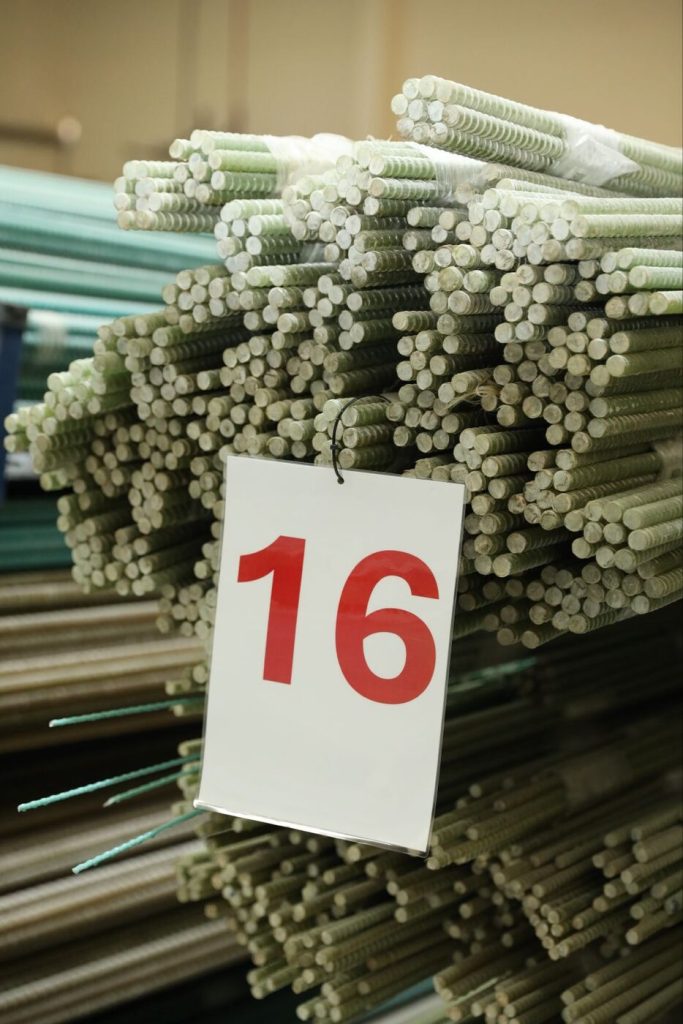
In stock now
Straight Bar
Racked, tagged and ready to load. Standard lengths for slabs, footings, walls and commercial flatwork — pulled from US stock instead of a 12-week import queue.
#3
#4
#5
#6
#7
#8
Lengths: 10 ft / 20 ft standard
Bundles: Full bundle or broken bundle
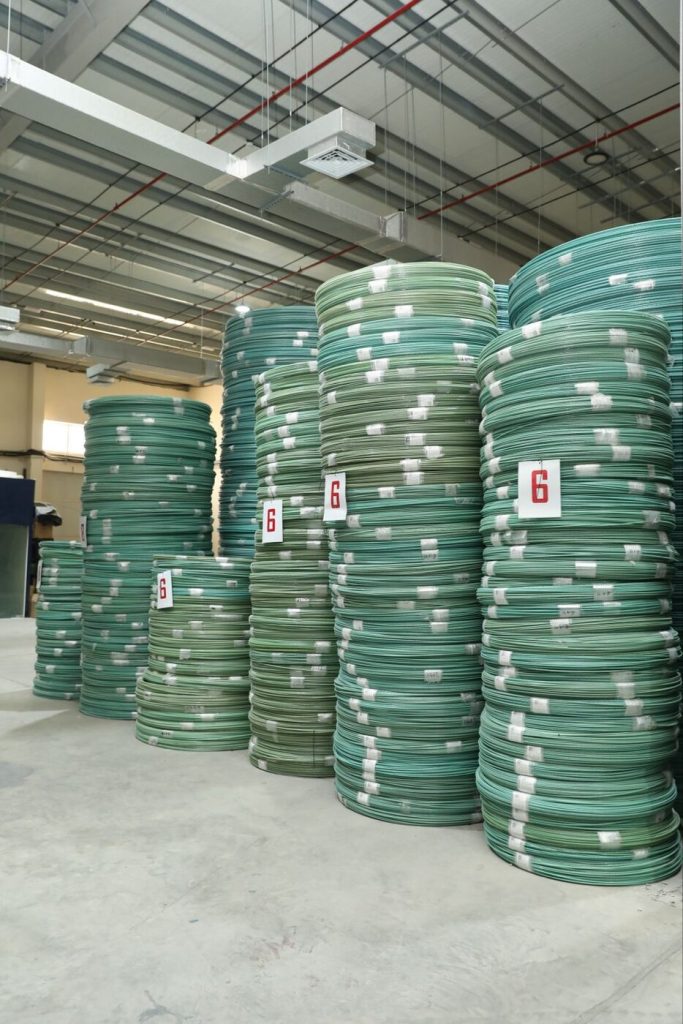
In stock now
Coiled Bar
The format steel cannot give you. One compact coil replaces a rack of 20 ft sticks — less storage, less staging, and continuous runs around radius formwork with field cut-to-length at the end.
6 mm
8 mm
10 mm
12 mm
Format: Compact coil, cut in the field
Best in: Curves, circles, continuous runs
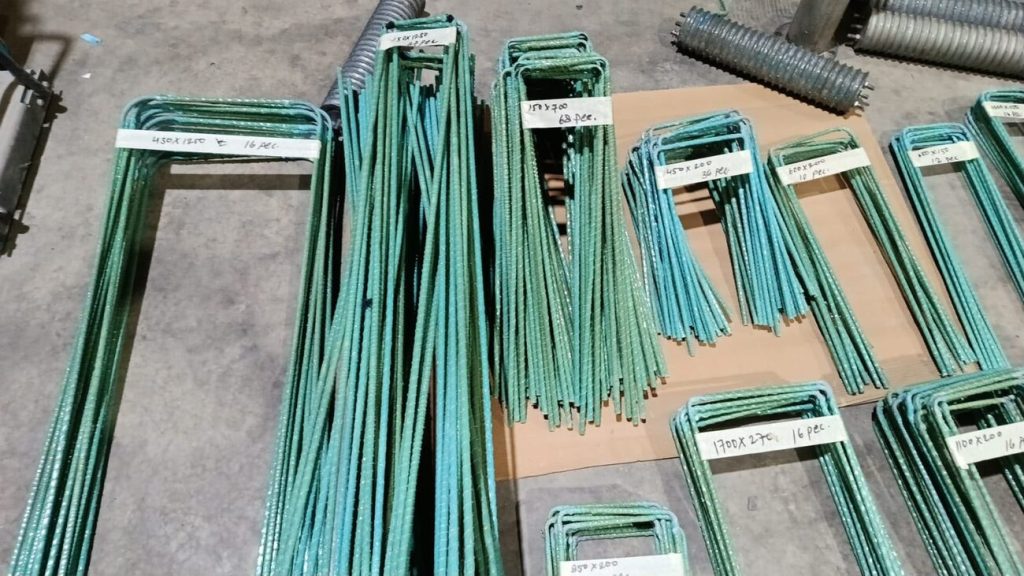
Made to order
Bends & Stirrups
Formed pieces produced to your bar list — corners, returns, L-bars, U-bars and stirrups, labelled by mark number so the crew can place them without sorting on the slab.
L-bar
U-bar
Stirrup
Custom
Lead time: Quoted on your bar list
Delivery: Labelled and bundled by mark
Inventory is the whole point right now.
There is a large volume of RebarX GFRP rebar already sitting in the United States. That means a rebar order is a delivery date rather than an import schedule. Send the bar list, the slab dimensions or just the size and quantity, and you will get current availability, bar pricing and a freight or pickup option back.
Sizes & availability
Pick the bar. Check the stock.
Bar sizes carried for US supply, the forms each size is available in, and what contractors typically use them for. Confirm current quantities and pricing when you send your request.
Bar size
Nominal diameter
Forms available
Typical use
US stock
#2
6 mm
Coil
Mesh replacement, thin toppings, decorative flatwork
● In stock
#3
10 mm
Straight, Coil
Driveways, patios, sidewalks, pool decks
● In stock
#4
12 mm
Straight, Coil, Bends
Slabs on grade, garage floors, aprons, steps
● In stock
#5
16 mm
Straight, Bends
Footings, foundation walls, retaining walls
● In stock
#6
20 mm
Straight, Bends
Commercial slabs, grade beams, seawalls
● In stock
#7
22 mm
Straight, Bends
Heavier structural work where specified
● Limited stock
#8
25 mm
Straight, Bends
Heavy structural, marine and infrastructure
● Made to order
Availability reviewed weekly. Nominal diameters are given for reference. Full mechanical properties, bond values and design requirements are stated in ICC-ES ESR-3920 and the certified test summary — both downloadable below. Bar substitution must follow the project drawings, specifications and applicable code.
Why GFRP instead of steel
Eight reasons a crew stops arguing after one job
GFRP is not a cheaper steel bar. It is a different material with a different failure mode — which is the entire reason it gets specified where water, salt, weight or electrical neutrality matter.
01
It cannot rust
No corrosion means no expansion, no spalling and no rust staining. The reason GFRP gets specified near water, salt and de-icing chemicals in the first place.
02
9x lighter than steel
A bundle two people can carry. Less strain on the crew, fewer bodies on the tie, and freight that does not eat the margin on the job.
03
Higher tensile strength
ASTM-tested tensile strength in the 800–1400 MPa range depending on bar and lot — well above conventional carbon steel reinforcement.
04
Non-magnetic, non-conductive
The right answer for MRI suites, transformer pads, rail corridors and anywhere stray current or magnetic interference is a problem.
05
Straight bar or coil
A coil format steel simply does not have. Smaller storage footprint, faster staging, and continuous placement around curved and circular formwork.
06
80+ year service life
Designed for structures the owner does not want to repair twice. Lifecycle cost, not just delivered cost.
07
Cuts with a grinder
Field cut-to-length with an abrasive blade. No torch, no bar bender, no shop trip — the crew adapts on the slab.
08
On the ground in the US
Domestic manufacturing with US warehouse stock, so a rebar order is a delivery date and not an import gamble.
The coil advantage
Steel cannot be sold in a coil. This can.
Curved sidewalks, pool decks, round pads, radius footings and long continuous runs are all built out of straight sticks today — which means cutting, chording the curve with short pieces, planning laps and stacking offcuts.
A coil changes the sequence. Store it on a pallet instead of a rack, stage it next to the formwork, control the free end, follow the radius, tie as required, and cut once at the end of the run.
Smaller storage footprint — a pallet of coils instead of a rack of 20 ft bar.
Faster staging on tight sites — no long sticks to manoeuvre around a finished house.
Follows curved formwork — radius and circular layouts without building them from offcuts.
Field cut-to-length — one abrasive cut at the end of the run.
Fewer laps to plan — continuous placement where drawings and specifications allow.
Price a coil order In stock
Coil inventory, by size
Compact coils for radius work, continuous runs and tight-yard storage.
Application guide
Pick the job. See where the bar fits.
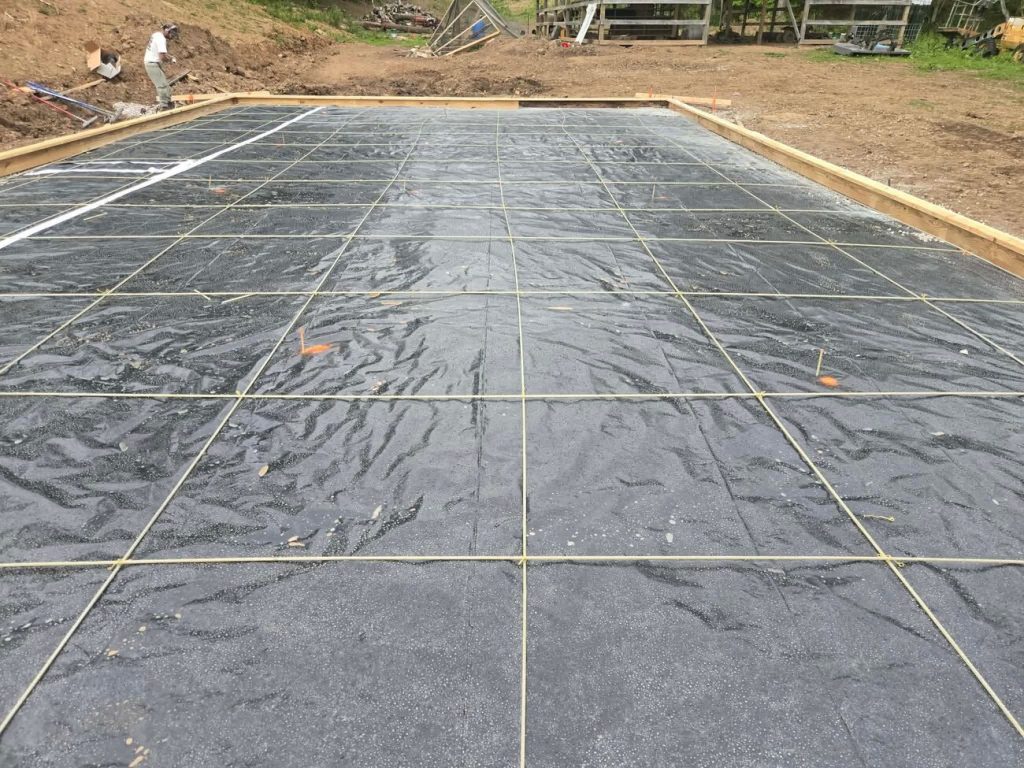
01 · Flatwork
The easiest first job for any concrete crew.
Driveways, patios, sidewalks and garage slabs. Slab on grade is where most contractors meet GFRP for the first time — lighter to carry, nothing to rust through a 4 in slab, and no rust bleed on a decorative or stained finish.
#3 and #4 straight bar covers most residential flatwork. Coil is faster to stage than 20 ft sticks on a tight lot.
Price this job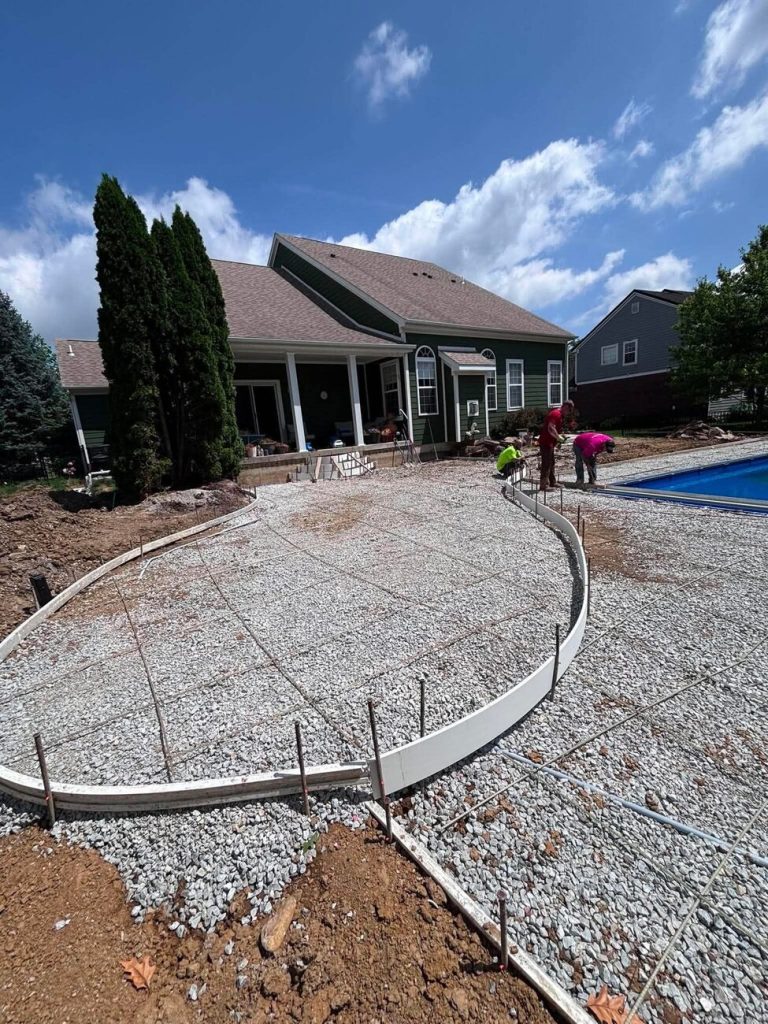
02 · Curves & Circles
Where the coil pays for itself in one afternoon.
Curved walks, round pads, radius pool decks and circular footings. Instead of chording a curve from short straight pieces, the coil follows the form continuously and gets cut once at the end of the run.
6–12 mm coil for radius flatwork. Fewer laps, fewer offcuts, faster tie-out.
Price this job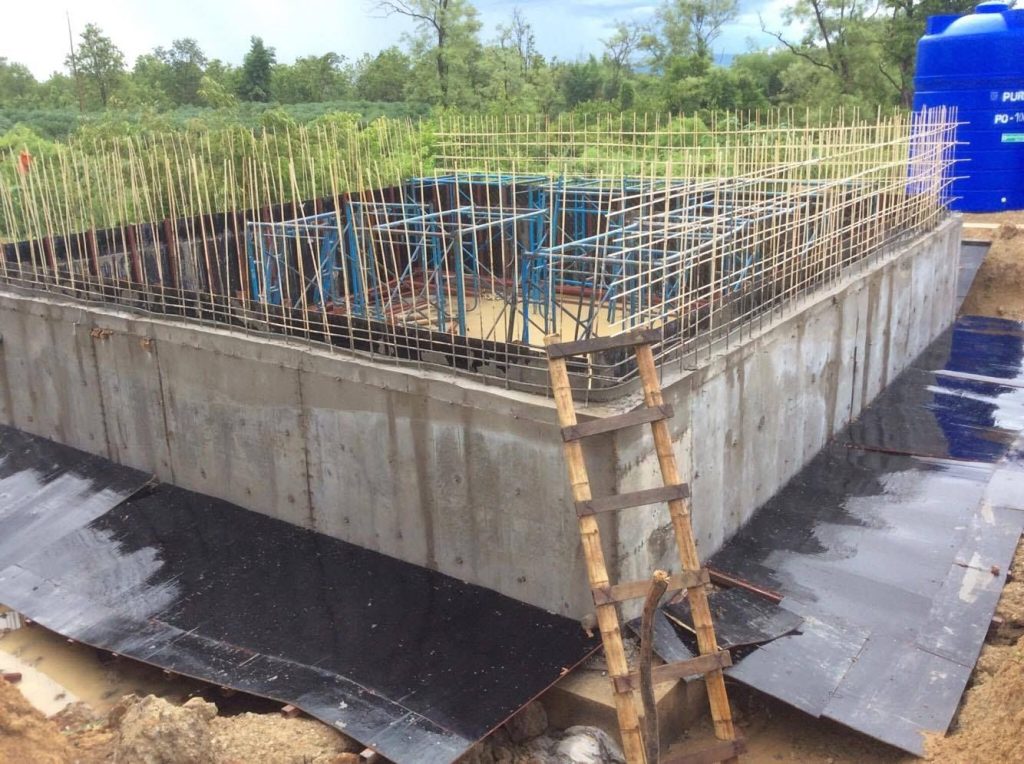
03 · Foundations
Corrosion protection where a repair means excavation.
Footings, grade beams and foundation walls sit in damp soil for the life of the building. Reinforcement that cannot corrode takes the most expensive repair on the property off the table.
#4–#6 straight bar plus L-bars and corner bends produced to your bar list.
Price this job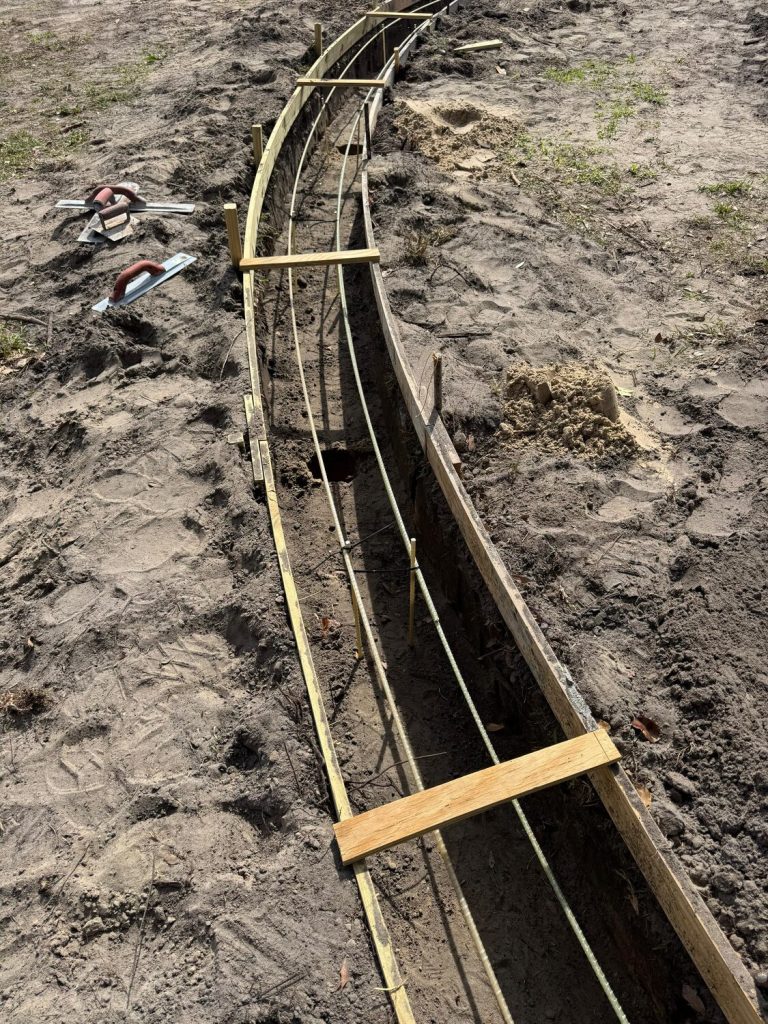
04 · Retaining Walls
Constant moisture, one-sided access, long service life.
Retaining walls hold wet soil against one face for decades and are hard to repair once backfilled. GFRP removes rust-driven cracking and spalling from the maintenance plan.
#5–#6 straight bar with U-bars and stirrups labelled by mark number.
Price this job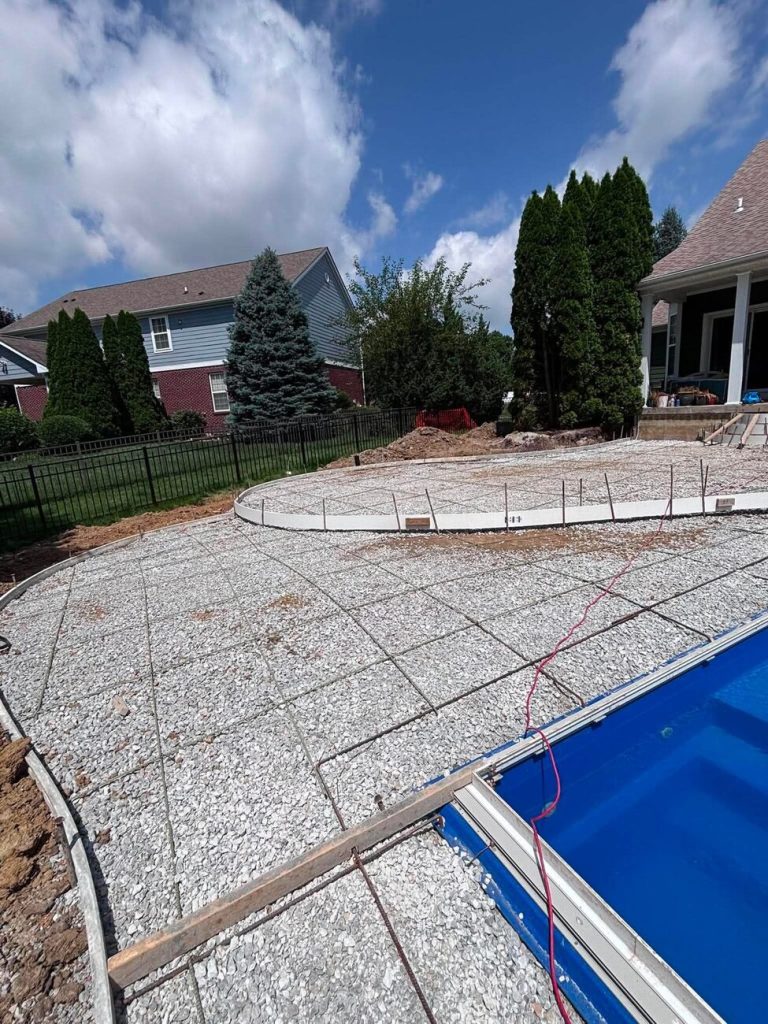
05 · Marine & Pools
Salt water is the argument that closes itself.
Seawalls, docks, pool shells and pool decks see chlorides every day. Steel in that exposure is a countdown; GFRP does not rust, stain or expand.
Coil for radius pool decks; #4–#8 straight bar and bends for seawalls and marine structures.
Price this job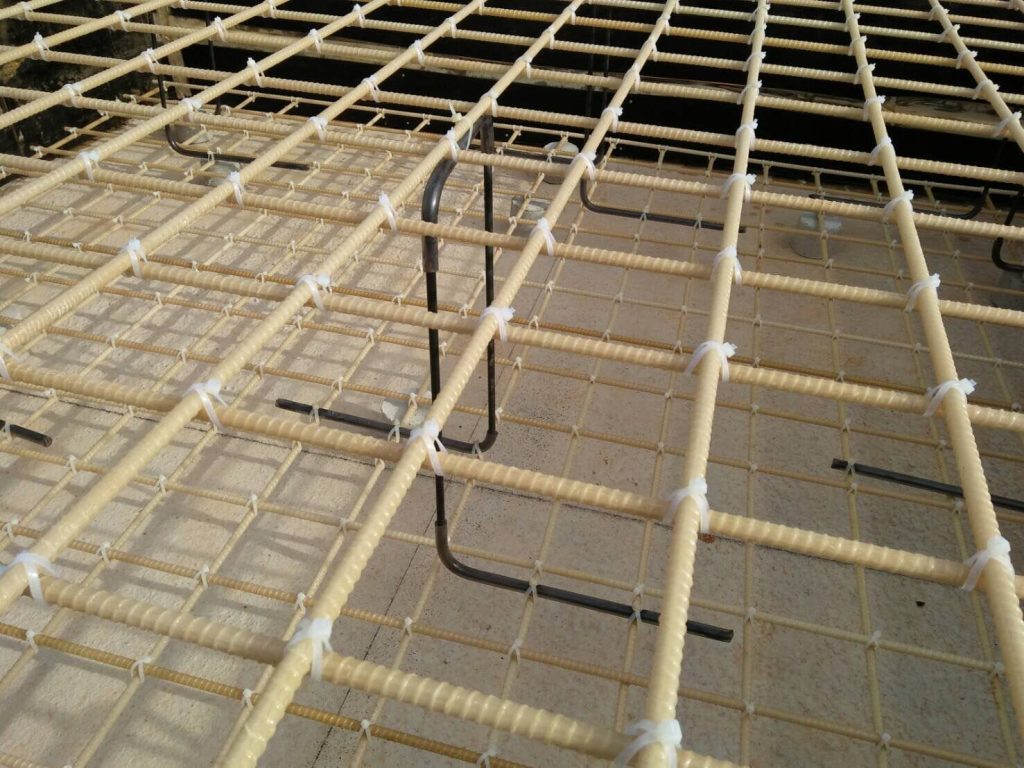
06 · Infrastructure
Documentation-led projects, supported with published reports.
Bridge decks, barriers, transit and utility structures are specified on paper first. ICC-ES ESR-3920 and the certified test summary are ready for the submittal package.
Larger sizes, bends and project quantities quoted against the drawings and specifications.
Request documentsReal inventory, real jobsites
Not renders. Photographs.
Warehouse stock, coils, formed pieces, tied grids, slabs, footings and pool decks — so a contractor, a distributor or an engineer can see the material in the condition they will actually receive and place it.
Tied grid, ready to pour
Standard ties, standard chairs, standard spacing. Nothing new for the crew to learn.
Racked and tagged
Straight bar organised by size for same-week pickup and delivery.
Coil inventory
Compact coils by size — the storage footprint of a pallet, not a rack.
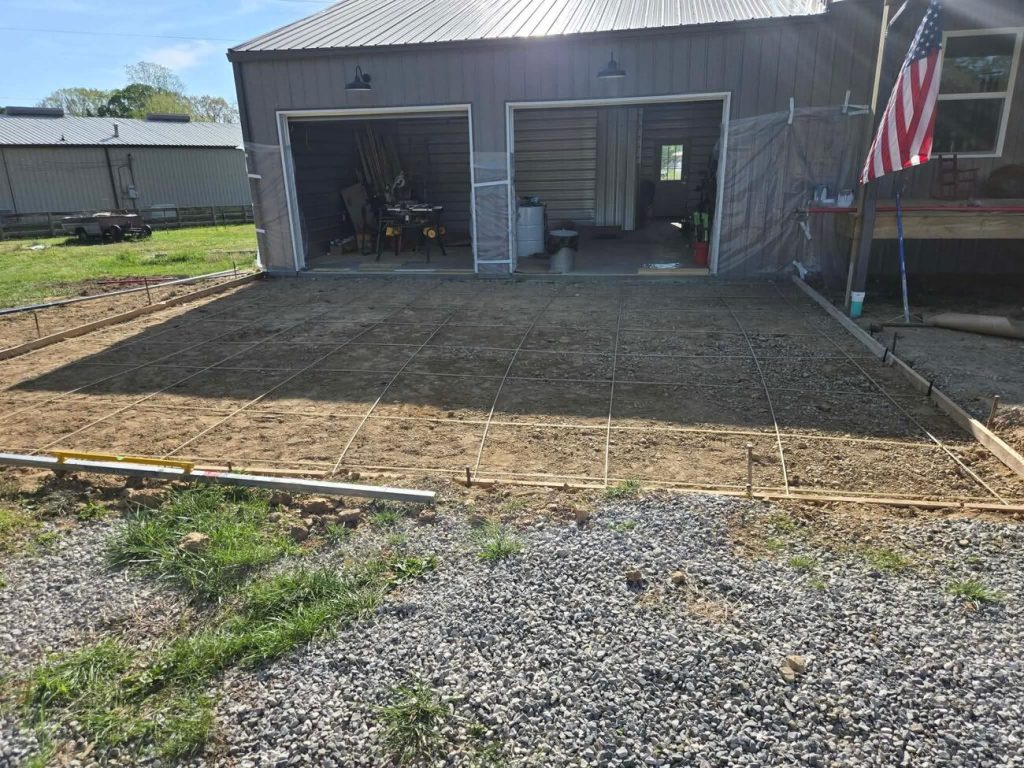
Shop & garage aprons
Everyday contractor work where rust-free reinforcement is an easy sell.
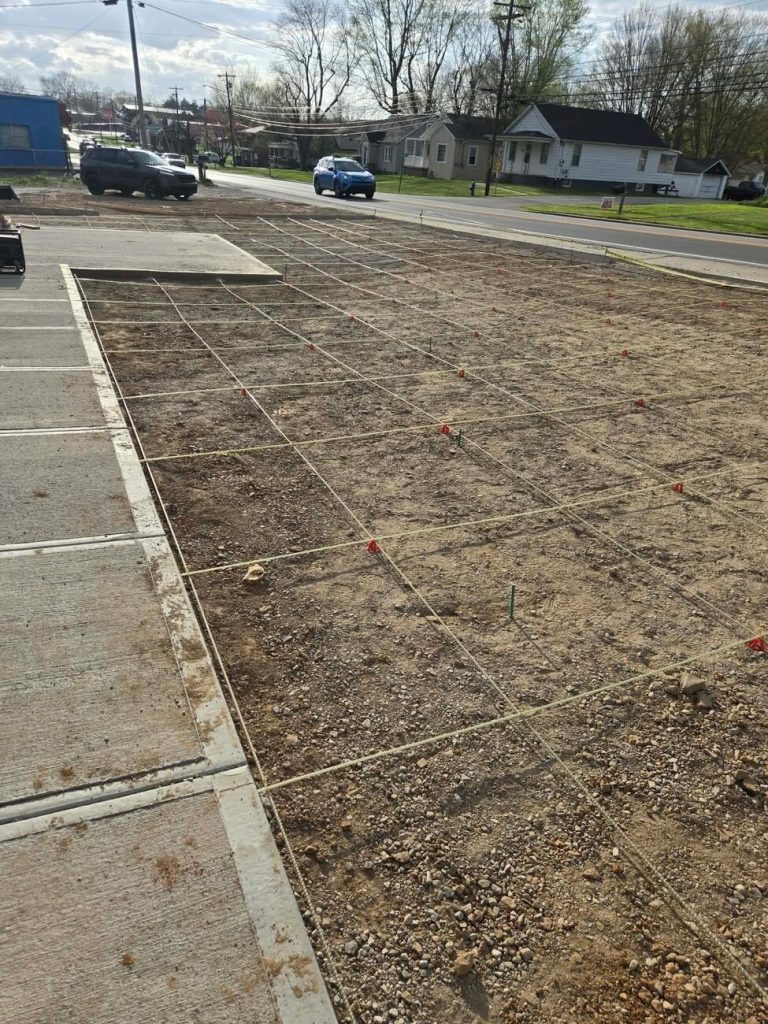
Exterior flatwork
Weather, traffic and de-icing salt — the classic case against steel.
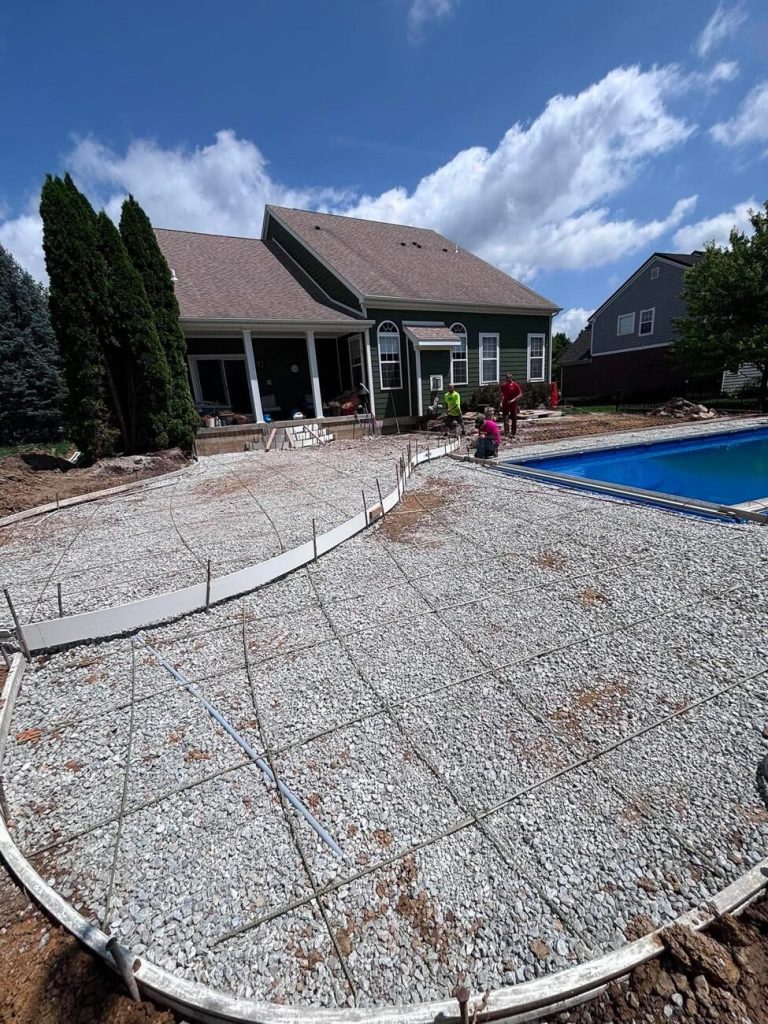
Radius pool decks
Curved formwork followed continuously instead of chorded with short bars.
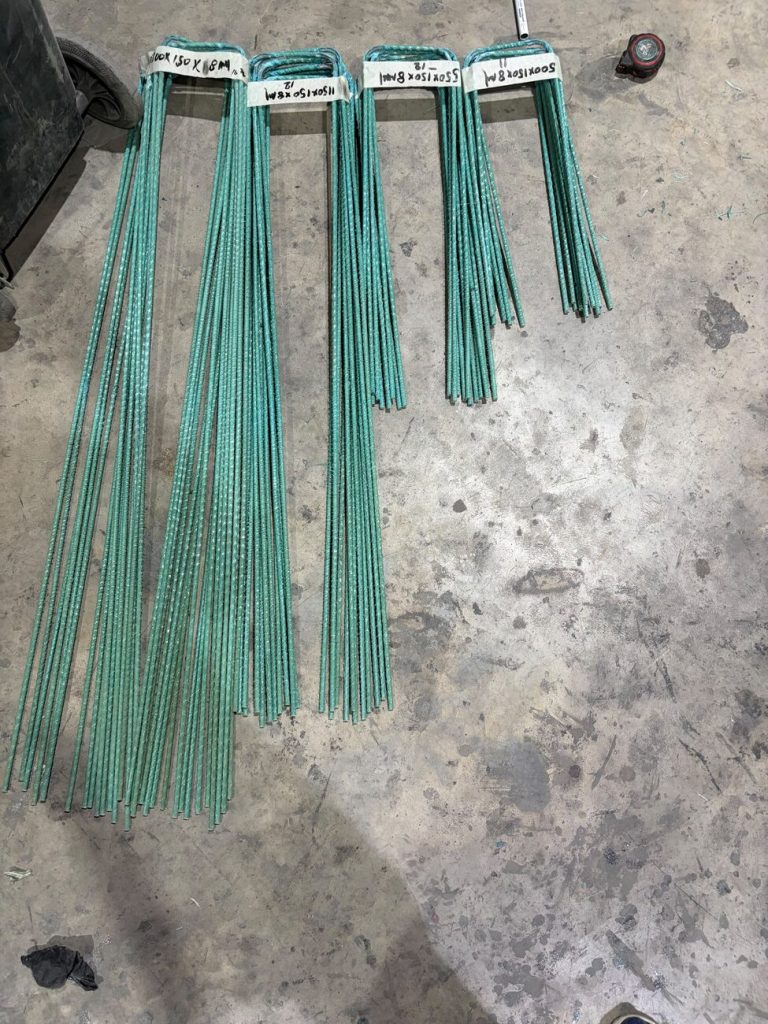
Bends by mark number
Formed pieces labelled to your bar list so nothing gets sorted on the slab.
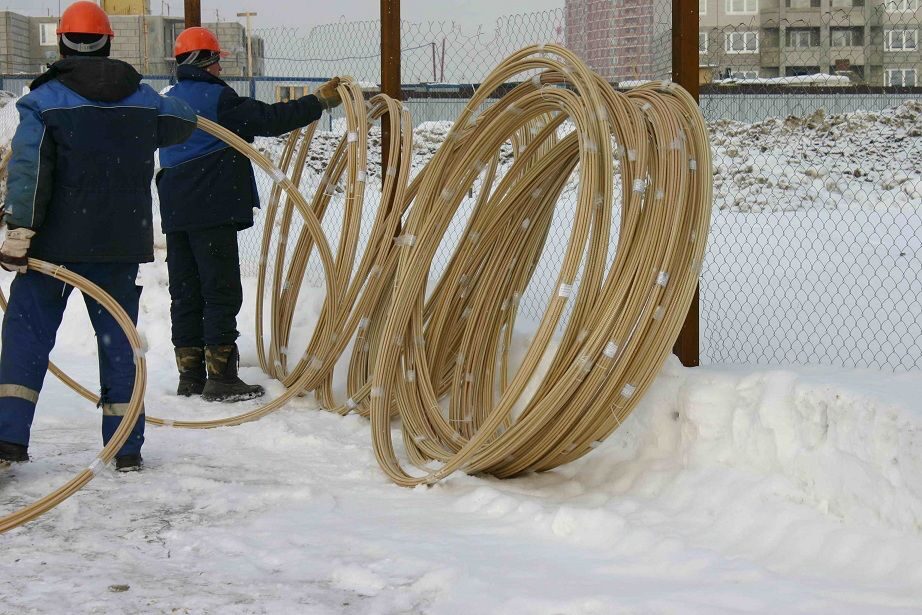
Two people, one coil
The handling difference crews notice in the first ten minutes.
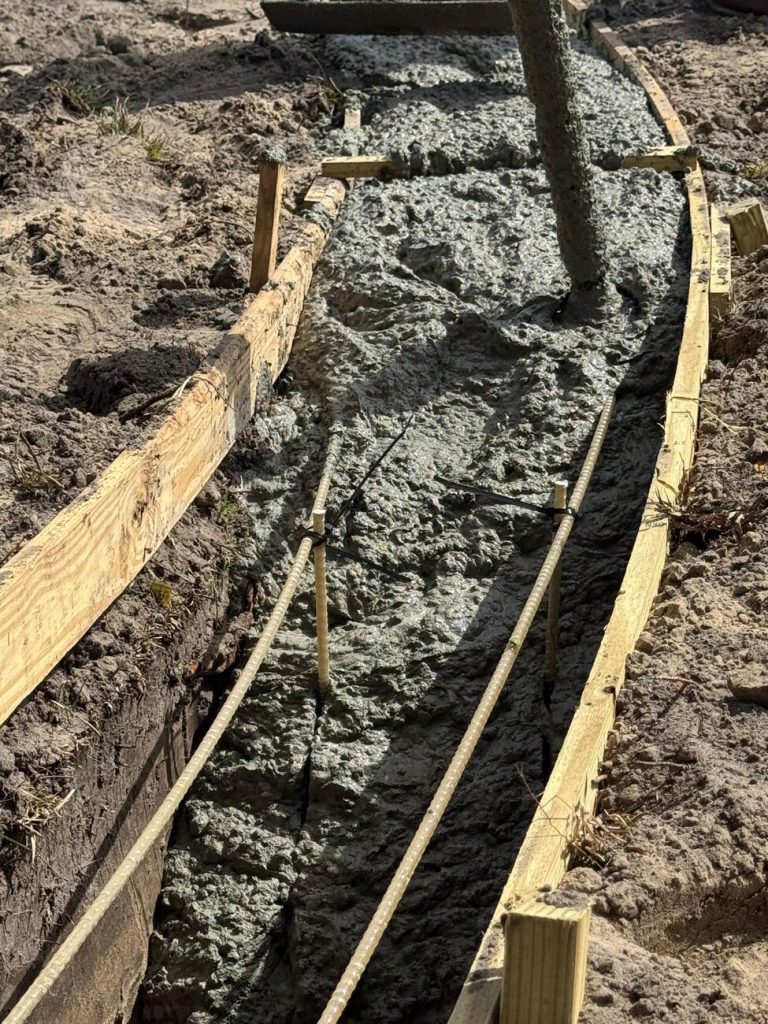
Continuous in the form
Radius footing run continuously and cut once at the end.
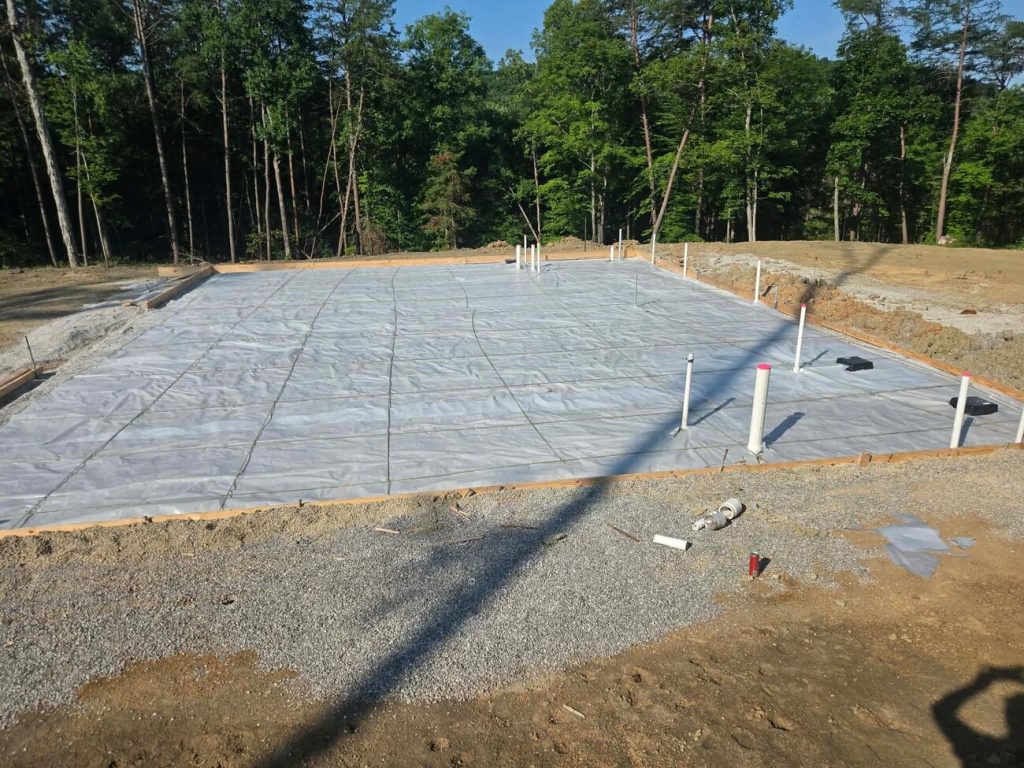
Residential slabs
Plumbing penetrations, tight corners and easy field cuts.
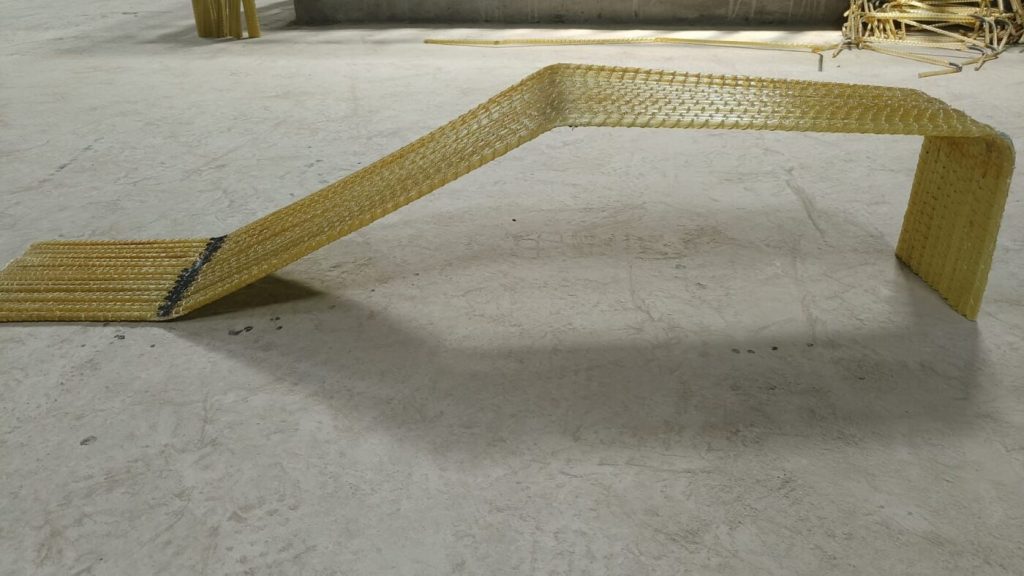
Formed pieces
Corners, returns and job-specific detailing produced to order.
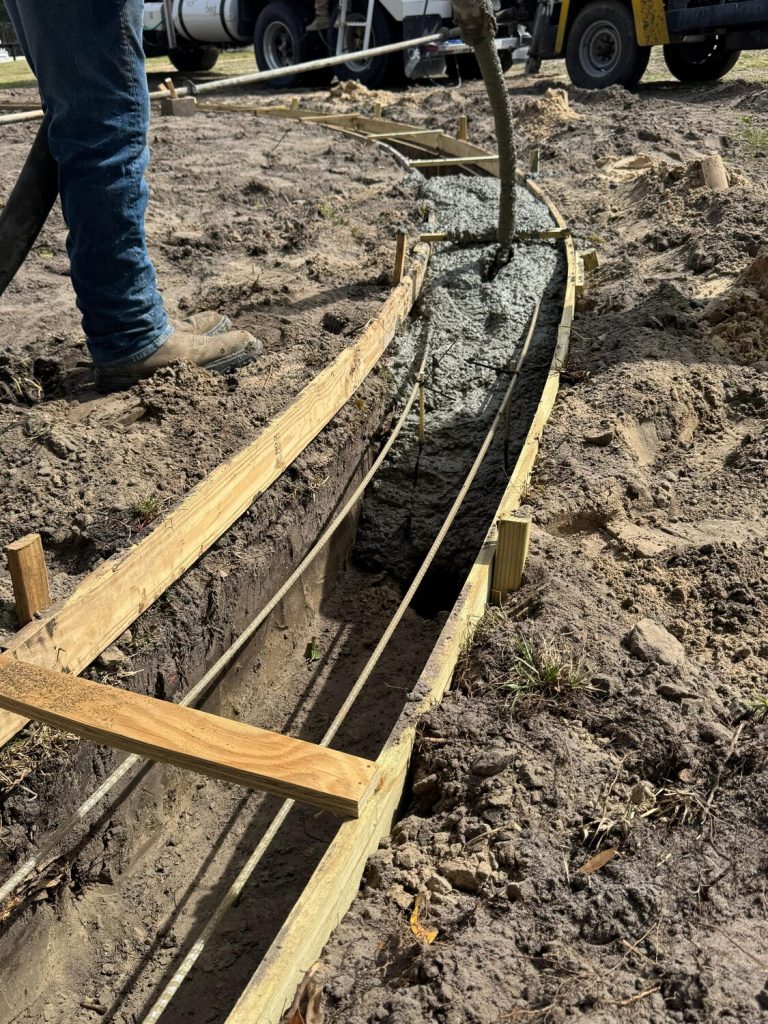
Footing pour
GFRP stays put under the pour — placed, tied and inspected like any other bar.
Field video
Watch a crew handle it
Loading, cutting, placing and pouring — the whole handling story in one clip you can forward to a foreman or a branch manager.
Real loading, cutting and placement footage.
Short enough to send to a foreman or a branch manager.
Shows the handling difference better than any spec sheet.
Open on YouTubeSteel vs RebarX GFRP
The honest side-by-side
On the job
Black steel rebar
RebarX GFRP
What the crew notices
Heavy bundles, multiple lifts, torch and bender
Two-person bundles, grinder cuts, coil off the pallet
Corrosion
Rusts. Expands. Spalls the cover off.
Does not corrode — no expansion, no spalling, no stains
Radius and circular work
Chorded from straight sticks, heavy cutting and lapping
Coil follows the curve, cut once at the end of the run
Storage on a tight yard
Racks of 20 ft sticks
Compact coils plus standard-length bundles
Electrical / magnetic
Conductive and magnetic
Non-conductive and non-magnetic
Owner lifecycle cost
Repair cycle tied to chloride exposure
Designed for 80+ year service in the exposures it is specified for
Landed cost example
Where the money actually moves
Bar-for-bar price is the wrong comparison. Once container count, freight, customs and the labour to move the material are in the same table, the gap narrows or reverses on a lot of jobs.
The figures shown are an illustrative example only — send your bar list or slab dimensions and you will get the same comparison run against your current steel package.
Run it on my job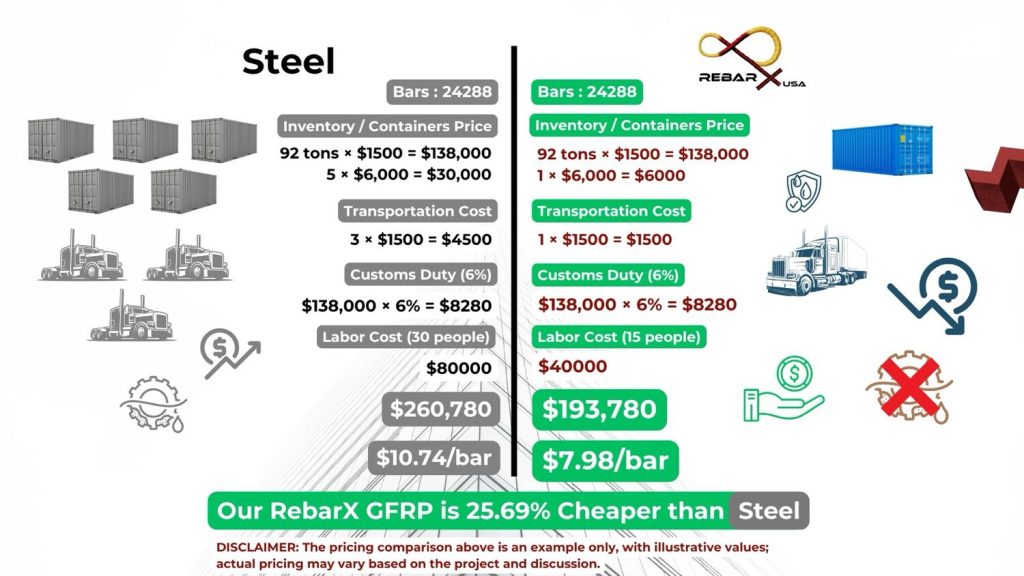
Handling check
How much weight leaves the job?
Put in the steel tonnage you would normally order for the job and see roughly what the crew would be lifting instead. Useful for the conversation about how many bodies you need on the tie.
Illustrative only. Actual bar-for-bar substitution must follow the project design and ICC-ES ESR-3920.
Steel rebar weight for this job (lb)
4,000 lb
GFRP weight vs steel — about 25% of steel weight
1,000 lb
3,000 lb less to carry, lift and stage
1 → 1 truck loads at 4,000 lb per load (illustrative)
Quote this job properlyTechnical documents
The paperwork a specifier asks for first
Published documents, downloadable without a form, ready to go into a submittal package.
01 · PDF
ICC-ES ESR-3920
Evaluation report for RebarX GFRP reinforcing bar, covering the code editions, design requirements and conditions of use stated in the report.
Download evaluation report02 · PDF
Certified test report summary
Passing results for tensile strength, modulus, shear, bond, moisture, cure, heat and alkaline resistance in one reviewable summary.
Download test summary03 · On request
Stock list & bar pricing
Current US warehouse availability by size and form, with bar pricing, bundle quantities and freight options for your location.
Request current stock listChoose your lane
Every buyer gets a direct path
Contractors
Pull from US stock this week, get a price per bar, and put a lighter, rust-free bar in front of your crew on the next slab.
Get a bar priceDistributors & yards
Stock one reinforcement line that serves flatwork, foundation, pool and marine contractors instead of a single niche.
Discuss stockingEngineers & specifiers
ICC-ES ESR-3920, the certified test summary and product data, ready to drop into a submittal package.
Request documentsOwners & developers
Take the corrosion repair cycle off the building you are going to own for the next forty years.
Price a projectQuestions we actually get
Rebar FAQ
Still have a question? Call the desk on +1 (888) 873-5818 or send it with your request.
Ask a question
Do you actually have rebar in stock in the US right now?
Yes. That is the whole point of this page. Straight bar in the common sizes and coiled bar are held in US warehouse inventory, with pickup by appointment and regional delivery quoted by order size and distance. Send the size, quantity and your zip code and you will get availability and a delivery date, not a lead-time estimate.
What sizes and forms can I get?
Straight bar from #3 to #8, coiled bar from 6 mm to 12 mm, and bent pieces — L-bars, U-bars, stirrups and custom shapes — produced to your bar list. The size table above shows which forms each size comes in and its current stock status.
What is GFRP rebar?
GFRP stands for glass fibre reinforced polymer. It is reinforcing bar made from continuous glass fibres bound in a resin, used in concrete in place of steel bar. Because it contains no iron, it cannot rust.
How strong is it compared with steel?
RebarX GFRP bar is ASTM-tested with tensile strength in the 800–1400 MPa range depending on bar and lot, well above conventional carbon steel reinforcement. It has a lower modulus than steel, so substitution must be designed — the full mechanical properties are in ICC-ES ESR-3920 and the certified test summary.
Is it code approved?
RebarX GFRP reinforcing bar has an ICC-ES evaluation report, ESR-3920, which sets out the code editions, design requirements and conditions of use. Download it from the technical documents section above and include it in your submittal package.
Can my crew cut and place it with normal tools?
Yes. It is tied with standard ties and set on standard chairs at standard spacing. Field cuts are made with an abrasive blade on a grinder — no torch, no bar bender. Bends are produced to your bar list rather than bent on site.
Why does the coil format matter?
Steel is not sold in a coil; GFRP is. A coil stores on a pallet instead of a rack, stages easily on a tight site, follows curved and circular formwork continuously, and is cut once at the end of the run — fewer laps, fewer offcuts.
How does the price compare to steel?
Bar-for-bar, GFRP can cost more. Once freight, handling labour, crew size and lifecycle repair costs are included, the gap narrows or reverses on many jobs. Send your bar list or slab dimensions and we will run the comparison against your current steel package.
Can I get samples before I commit?
Yes. Request samples through the form below with your project type and delivery zip code, and we will arrange sample bar for you or your engineer to review.
Do you sell to distributors and supply yards?
Yes. We offer distributor and yard pricing with stock support for flatwork, foundation, pool and marine contractors. Mention it in the form or call the desk to discuss stocking.
Does it work in marine and salt exposure?
Yes — that is where GFRP is most often specified. It does not corrode in salt water, chlorides or de-icing salts, so there is no rust expansion, spalling or staining in seawalls, docks, pools and coastal concrete.
How do I place an order?
Send the size, form, quantity, project type and delivery zip code using the form below, or call +1 (888) 873-5818. You will get availability, bar pricing and a pickup or freight option back, then confirm the order with our desk.
Start a rebar request
Tell us the size, the quantity and the zip code
Pricing, current availability, samples, technical documents and distributor enquiries all start here. If you would rather talk it through, call the number above.
Pickup & delivery
US warehouse stock
Kentucky warehouse — pickup by appointment, Berea KY
Head office
RebarX USA
Florida — RebarX USA headquarters
Quote request
Request rebar pricing & availability
Size, form, quantity, project type and delivery zip code is all we need to come back with real numbers.
Quote form